
Your UFE Questions Answered: A Candid Conversation
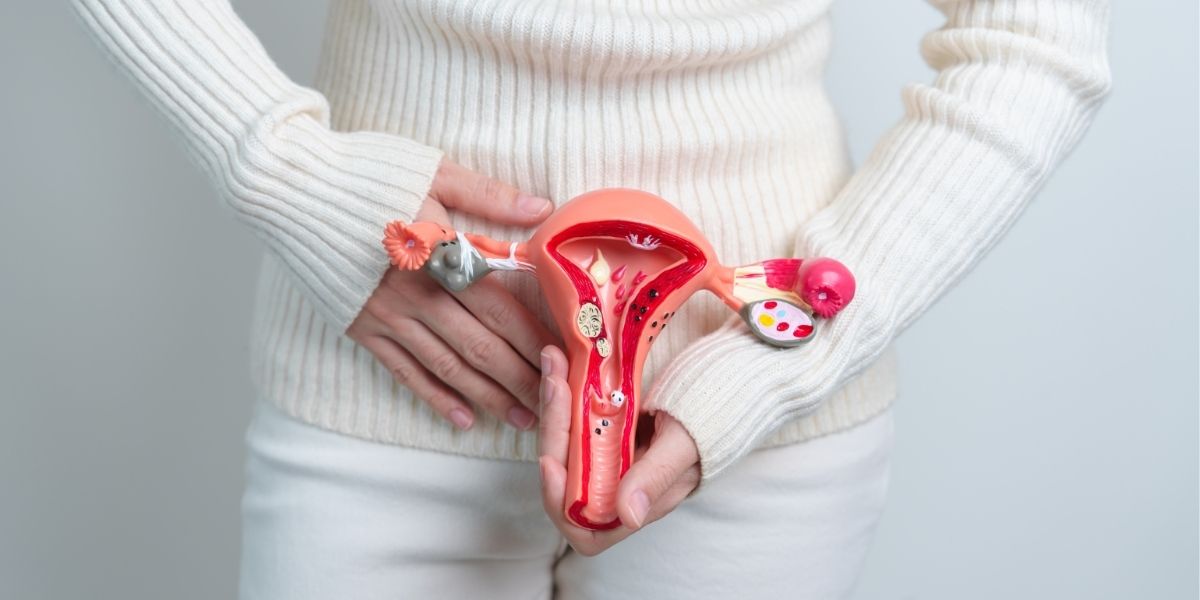
Thinking about uterine fibroid embolization but still have questions? We’ve got your back. Read on as we answer your top UFE questions.
If you’re diagnosed with uterine fibroids and are researching alternatives to surgery, you’ve likely stumbled across a procedure called uterine fibroid embolization (UFE), and it may be worth exploring.
At The Fibroid Center at Image Guided Surgery Center in Clinton, Maryland, Dr. Nordine Gaugau regularly sees women suffering from fibroid symptoms come in with thoughtful, practical questions, and rightly so. Asking questions helps you make informed decisions about your medical care. Take a moment as Dr. Gaugau walks you through the most common ones.
What’s UFE?
Uterine fibroid embolization is a minimally invasive procedure that treats fibroids by cutting off their blood supply. Fibroids need blood flow to grow and survive, so Dr. Gaugau blocks the tiny blood vessels feeding your fibroids. They gradually shrink, and your symptoms improve.
That’s accomplished without open surgery, large incisions, or removal of the uterus. UFE is part of a broader group of advanced treatments called embolization to address tumors, abnormal blood vessels, and even internal bleeding. UFE uses image guidance and tiny instruments.
What does the procedure entail?
During UFE, Dr. Gaugau inserts a small catheter through a blood vessel near your hip and guides it into the uterine arteries using real-time imaging. Once positioned, he injects tiny particles directly into the vessels feeding the fibroids. Because there are no large incisions, most women go home shortly after the procedure needing significantly less downtime than with traditional surgery. Also, because we don’t remove your uterus, it’s considered a fertility-sparing fibroid treatment.
What do we inject into your body? Is it safe?
The particles we inject during UFE are tiny, medical-grade, FDA-approved materials that have been used safely for many years. They lodge in the abnormal blood vessels supplying your fibroids, block blood flow, and cause the fibroids to shrink. These particles aren’t biologically active. They remain trapped within the fibroid tissue and don’t travel elsewhere in your body. In some cases, as fibroids break down, small amounts of treated tissue may pass naturally. That’s harmless and expected in certain situations.
How effective is UFE? Can it fail?
Studies show that UFE is a highly effective permanent treatment for uterine fibroids and adenomyosis and provides excellent relief of symptoms such as heavy bleeding, pelvic pain, and pressure.
When performed by an experienced specialist like Dr. Gaugau, success is the norm.
In addition, Dr. Gaugau is a UFE surgeon with special expertise in dealing with complex cases including:
● Large fibroids.
● Fibroids that receive blood from unusual or neighboring vessels.
● Fibroids with challenging vascular anatomy.
That’s why experience and careful imaging matter so much.
What happens to fibroids after UFE?
After blood flow is cut off, fibroids gradually shrink over weeks to months. Many women notice symptom improvement well before full shrinkage occurs. Fibroids can become dramatically smaller, softer, and far less disruptive to daily life.
Is UFE right for you?
UFE is quickly replacing conventional surgery as the first option for uterine fibroids and adenomyosis. Dr. Gaugau will make sure to personalize your care through a personalized consultation followed by a review of your imaging studies. Dr. Gaugau goes over your options after reviewing your imaging and laboratory results with you and will formulate a treatment plan specific to your situation.
Need help deciding?
If you’re weighing your options or have more questions, call 484-FIBROID or schedule a consultation with Dr. Gaugau at The Fibroid Center.
References:
● https://pmc.ncbi.nlm.nih.gov/articles/PMC12120088/
● Uterine Fibroid Embolization – StatPearls – NCBI Bookshelf