
What to Expect During Your UFE Consultation: A Step-by-Step Guide
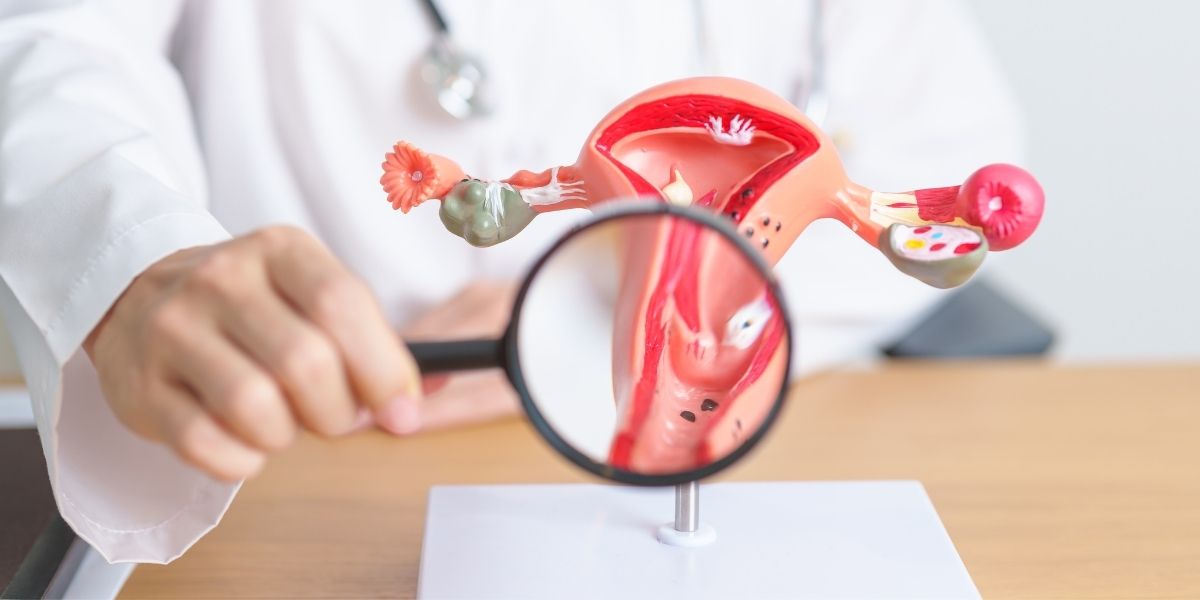
Considering uterine fibroid embolization (UFE)? Read on to learn what happens during a UFE
consultation so you can make an informed, confident decision about your fibroid treatment.
If you’ve been diagnosed with uterine fibroids and are considering uterine fibroid embolization
(UFE), your first step is a consultation.
Take a moment as Dr. Nordine Gaugau and the team at The Fibroid Center at Image Guided
Surgery Center in Clinton, Maryland, break down what to expect during your UFE consultation.
Step 1: We talk about your symptoms
After you complete your paperwork, including a consent form for the consultation, we discuss
your symptoms and their severity. Common fibroid symptoms include heavy or prolonged
menstrual bleeding, pelvic pain, urinary frequency or leakage, and fatigue related to anemia.
Fibroids can also cause fertility issues, depending on their location. That opens the door to a
conversation about your family planning goals. Unlike a hysterectomy, UFE preserves fertility.
You and Dr. Gaugau also review your medical history, prior treatments, medications, and any
previous surgeries. Your consultation should help you understand how fibroids affect your daily
life and what you want your treatment to accomplish.
Step 2: We review imaging and diagnosis
Next, Dr. Gaugau carefully reviews your imaging studies, which may include MRI or ultrasound
images that show:
● The size of your fibroids
● How many are present
● Their exact location within your uterus
Fibroids can occur in different areas, and their location and size affect whether UFE is the best
option. If additional imaging is needed, Dr. Gaugau explains why and arranges it.
Step 3: We talk about how UFE works
Dr. Gaugau wants you to feel informed about fibroids and your treatment options. During your
consultation, you receive a clear explanation of how uterine fibroid embolization works.
There’s no large incision and no open surgery. UFE is a minimally invasive procedure performed
through a tiny skin puncture, usually near your hip.
Our team guides a small catheter (tube) into the uterine arteries that supply blood to the
fibroids. Dr. Gaugau then injects tiny FDA-approved medical particles to block that blood flow.
Without a blood supply, the fibroids gradually shrink; within three months, they can reduce by
more than 40%. As your fibroids continue to shrink, your symptoms decrease. Most women
(84.5%) don’t require further fibroid treatment after UFE.
Dr. Gaugau also discusses:
● What the procedure day looks like
● What recovery typically involves
● How long results take to develop
● Expected success rates
The consultation is your opportunity to ask questions and make sure you feel fully informed.
Step 4: We discuss your candidacy, risks, and benefits
Not all women with fibroids are ideal candidates for UFE. During your consultation, Dr. Gaugau
evaluates:
● Whether your fibroids are appropriate for embolization
● Whether additional blood vessels may contribute
● Any anatomical considerations
● Your overall physical health
You review the benefits, potential risks, and alternative treatment options so you can feel
confident in your decision.
Step 5: We plan your next steps
If UFE is the right choice and you decide to move forward, Dr. Gaugau helps you schedule the
procedure. You receive detailed pre-procedure instructions.
If UFE isn’t the best fit, Dr. Gaugau discusses other appropriate treatment options.
Why your consultation matters
If uterine fibroids are disrupting your life, your consultation is the first step toward getting
relief. Schedule your visit with Dr. Gaugau online today or call us at 484-FIBROID to learn more
about UFE.
References:
● Disparities in Utilization of Uterine Fibroid Embolization | Public Health | JAMA Network
Open | JAMA Network
● Is uterine artery embolisation a safe and effective modality to treat submucosal fibroids? –
PMC