
What to Expect Before, During, and After Uterine Fibroid Embolization
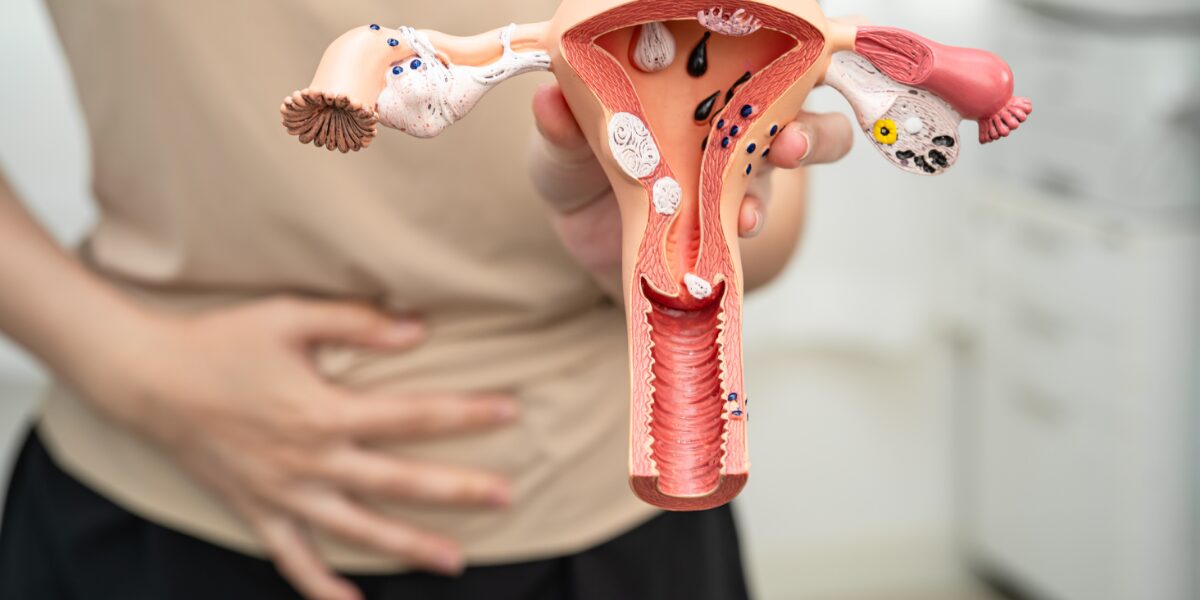
Heavy menstrual bleeding, persistent pelvic pressure, and frequent bathroom trips caused by uterine fibroids can make daily life difficult. Many women in and around Clinton, MD, delay treatment because they assume surgery is their only option or worry about long recovery times. Fortunately, advances in minimally invasive medicine now offer an effective alternative.
At The Fibroid Center at Image Guided Surgery, women seeking uterine fibroid embolization in Clinton, MD have access to a proven, nonsurgical treatment that preserves the uterus while providing lasting symptom relief. In this guide, you’ll learn what happens before, during, and after uterine fibroid embolization (UFE), so you can feel confident about your treatment journey.
Table of Contents
- Understanding Uterine Fibroid Embolization
- Preparing for Your Procedure
- What Happens During and After UFE
- Recovery and Long-Term Results
- Frequently Asked Questions
Understanding Uterine Fibroid Embolization
Uterine fibroid embolization (UFE) is a minimally invasive procedure performed by an interventional radiologist to shrink uterine fibroids without removing the uterus. Women throughout Clinton, MD, choose this treatment because it addresses fibroid symptoms while avoiding major surgery and extended hospital stays.
Rather than making a large incision, your physician inserts a tiny catheter through a small opening, usually in the wrist or groin. Tiny particles are guided into the arteries supplying blood to the fibroids, blocking their blood flow. Over time, the fibroids shrink, reducing symptoms such as heavy bleeding, pelvic pain, bloating, and urinary frequency.
The Society of Interventional Radiology recognizes uterine fibroid embolization as a safe and effective treatment for many women with symptomatic fibroids. Learn more from the Society of Interventional Radiology.
How to Prepare for Uterine Fibroid Embolization
Preparation begins with a comprehensive consultation to determine whether UFE is the right treatment for your condition. Your specialist will review your medical history, discuss your symptoms, and order imaging such as an MRI or ultrasound to evaluate the size, location, and number of fibroids.
Before your procedure, you’ll receive detailed instructions regarding medications, eating and drinking, and transportation home. Following these guidelines carefully helps ensure a smooth procedure and recovery. Most patients can return home the same day.
If you’re interested in learning more about minimally invasive fibroid treatment options, visit The Fibroid Center at Image Guided Surgery’s Uterine Fibroid Embolization service page for additional information about candidacy, benefits, and expected outcomes.
What Happens During and Immediately After the Procedure?
Many women are surprised by how comfortable the procedure is. UFE is typically performed using conscious sedation rather than general anesthesia, allowing patients to remain relaxed while avoiding the risks associated with major surgery.
During the procedure, your interventional radiologist carefully guides the catheter to the uterine arteries using advanced imaging technology. The embolic particles are then delivered precisely to block blood flow to the fibroids while preserving healthy uterine tissue. The procedure generally takes between 60 and 90 minutes.
Following treatment, it’s common to experience cramping, mild pelvic discomfort, fatigue, and flu-like symptoms for several days. These temporary effects are part of the body’s normal healing process. The experienced team at The Fibroid Center at Image Guided Surgery provides personalized pain management and recovery guidance to help patients throughout Clinton, MD, feel supported every step of the way.
Recovery and Long-Term Results After UFE
Recovery from uterine fibroid embolization is significantly shorter than recovery from traditional hysterectomy or myomectomy. Most women resume light daily activities within one week, although full recovery varies depending on individual health and the size of the treated fibroids.
Fibroids gradually shrink over several months, and many patients experience substantial improvements in heavy menstrual bleeding, pelvic pain, abdominal pressure, and urinary symptoms. Research shows that the majority of women report lasting symptom relief and high satisfaction following UFE.
For more educational resources about fibroid symptoms and treatment options, explore additional information from The Fibroid Center at Image Guided Surgery’s educational blog. Their experienced team is committed to providing compassionate, evidence-based care for women seeking minimally invasive treatment throughout the Maryland region.
Frequently Asked Questions About Uterine Fibroid Embolization in Clinton, MD
Is uterine fibroid embolization painful?
Most patients experience only mild to moderate discomfort during the procedure because sedation and local anesthesia are used. Cramping afterward is expected but is usually well managed with prescribed medications and gradually improves over several days.
How long does recovery take after uterine fibroid embolization?
Many women return to desk work and normal daily activities within seven to ten days. Recovery is considerably shorter than traditional surgical procedures, making UFE an attractive option for busy women in Clinton, MD.
Will uterine fibroid embolization eliminate all fibroids?
UFE treats multiple fibroids simultaneously by cutting off their blood supply. While fibroids typically shrink significantly and symptoms improve dramatically, individual results depend on the size, number, and location of the fibroids.
Am I a candidate for uterine fibroid embolization?
Women experiencing heavy menstrual bleeding, pelvic pain, pressure, or urinary symptoms caused by fibroids may be candidates. A consultation and imaging evaluation with an interventional radiologist can determine whether UFE is appropriate for your specific condition.
Is uterine fibroid embolization covered by insurance?
Many health insurance plans cover uterine fibroid embolization when medically necessary. Your provider’s office can verify your benefits and discuss coverage before scheduling treatment.
Conclusion
Living with uterine fibroids doesn’t have to mean living with constant discomfort or facing major surgery. Uterine fibroid embolization offers a safe, effective, minimally invasive solution that helps many women find lasting relief while preserving the uterus.
At The Fibroid Center at Image Guided Surgery, patients receive personalized care from experienced specialists dedicated to helping women regain their quality of life through advanced image-guided treatments. Every treatment plan is tailored to each patient’s unique needs and long-term health goals.
Dr. Gaugau is recognized as a TOP Interventional Surgeon throughout the Maryland region. His expertise in minimally invasive treatments has helped countless women find relief from fibroids without major surgery. Don’t wait to start exploring your options. Contact us today online or call 484-FIBROID today to learn whether UFE is right for you and to begin your path toward lasting relief.