
How Do Fibroids Affect Your Period?
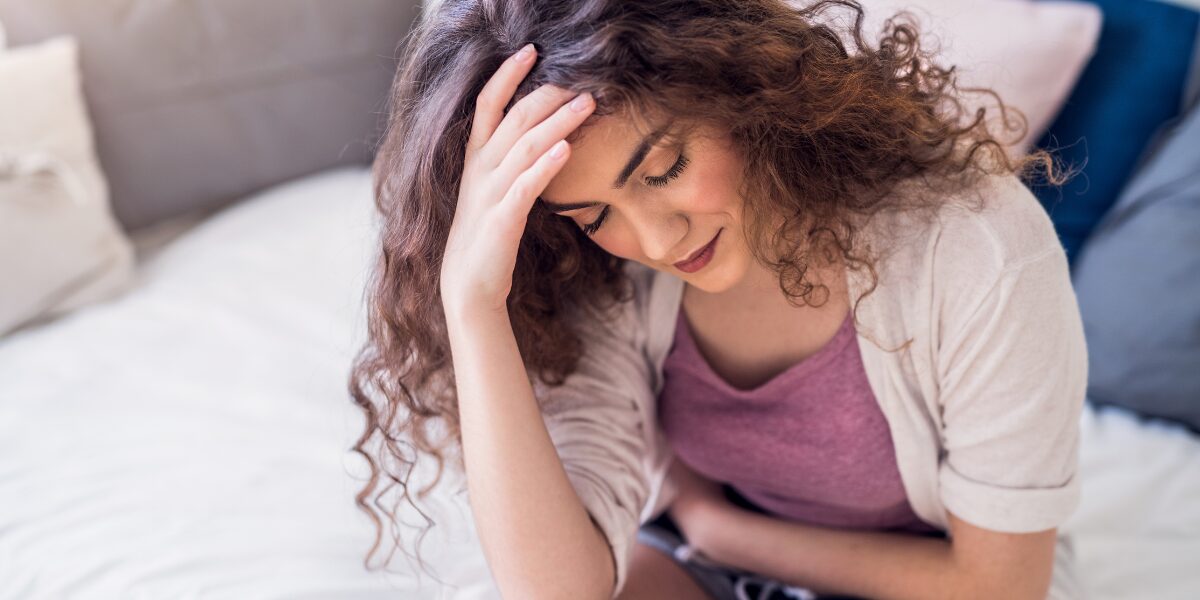
If your cycle isn’t what it used to be, fibroids could be the culprit. This month, we explain how fibroids can affect your period and what treatment options can help you feel like yourself again.
If your periods have become heavier, longer, or unpredictable, you may wonder what changed. For many women, the answer is uterine fibroids; 8 in 10 have at least one fibroid by age 50.
Fibroids are noncancerous growths in the uterus, but that doesn’t mean they’re harmless. Depending on their size and location, they can significantly affect your menstrual cycle and how you feel month to month.
Below, Dr. Nordine Gaugau explains how fibroids can affect your period and how the The Fibroid Center at Image Guided Surgery Center team in Clinton, Maryland, can help relieve your fibroid symptoms.
What are fibroids?
Fibroids are growths made of muscle and fibrous tissue that develop in or around your uterus.
They can vary in size from tiny to large enough to change the shape of your uterus, and they don’t always cause symptoms. That said, when they do cause symptoms, your period is often one of the first things affected.
Why fibroids impact your period
Fibroids can interfere with how your uterus contracts and sheds its lining during your cycle. They may:
● Increase the surface area of the uterine lining
● Disrupt normal blood flow
● Affect hormone balance locally within your uterus
Unfortunately, all of this can lead to noticeable changes in your period.
4 common period changes caused by fibroids
Fibroids can cause a range of menstrual symptoms, including:
Heavier bleeding
Heavy menstrual bleeding is often the first symptom that hints that something is going on. Normal blood loss during a period is 60 milliliters, but if you have heavy periods, you can lose 80 milliliters or more.
That 20-millimeter jump can cause soaking through pads or tampons more quickly, or necessitate changing them more often. Some women have to double up and wear a heavy pad with a tampon or menstrual cup.
Longer periods
In addition to heavier flows, you may also experience longer periods. Instead of lasting 3-5 days, your period may stretch to a week or longer.
More painful cramps
Fibroids can make your uterus work harder to contract, leading to stronger, more persistent cramping. Some women may also experience cramps in the back of their thighs. Large fibroids can press on your nerves and contribute to this symptom during your period.
Bleeding between periods
Some women experience spotting or bleeding outside of their regular cycle.
When heavy, painful periods become a problem
Heavy or prolonged bleeding is more than inconvenient: It can also affect your overall health. Symptomatic fibroids may lead to:
● Fatigue
● Iron-deficiency anemia
● Disruption to your daily routine
If your period interferes with your life, it’s worth getting evaluated.
What can you do about it?
The right treatment depends on your symptoms, the size and location of your fibroids, and your goals. At The Fibroid Center at Image Guided Surgery Center, Dr. Gaugau specializes in minimally invasive treatments that target fibroids directly without major surgery.
Specifically, uterine fibroid embolization (known as UFE) can shrink your fibroids while preserving your uterus. UFE cuts off the blood supply to your fibroids, eventually causing them to shrink. When they shrink, they stop sabotaging your menstrual cycle.
Get help for painful, heavy periods
Fibroids can change your period in ways hard to ignore, but you don’t have to settle for those symptoms. Reach out to Dr. Gaugau to learn more about the fibroid treatment options right for you. Schedule a consultation today.
References:
● Fibroids: More Common than You Think | Center for Women’s Health | OHSU
● Uterine Fibroid Embolization – StatPearls – NCBI Bookshelf
● Overview: Heavy periods – InformedHealth.org – NCBI Bookshelf
● Uterine Fibroid-Induced Compressive Neuropathy of Lumbar Plexus and Obturator Nerve – PMC