
5 Signs It’s Time to Seek Treatment for Your Fibroids
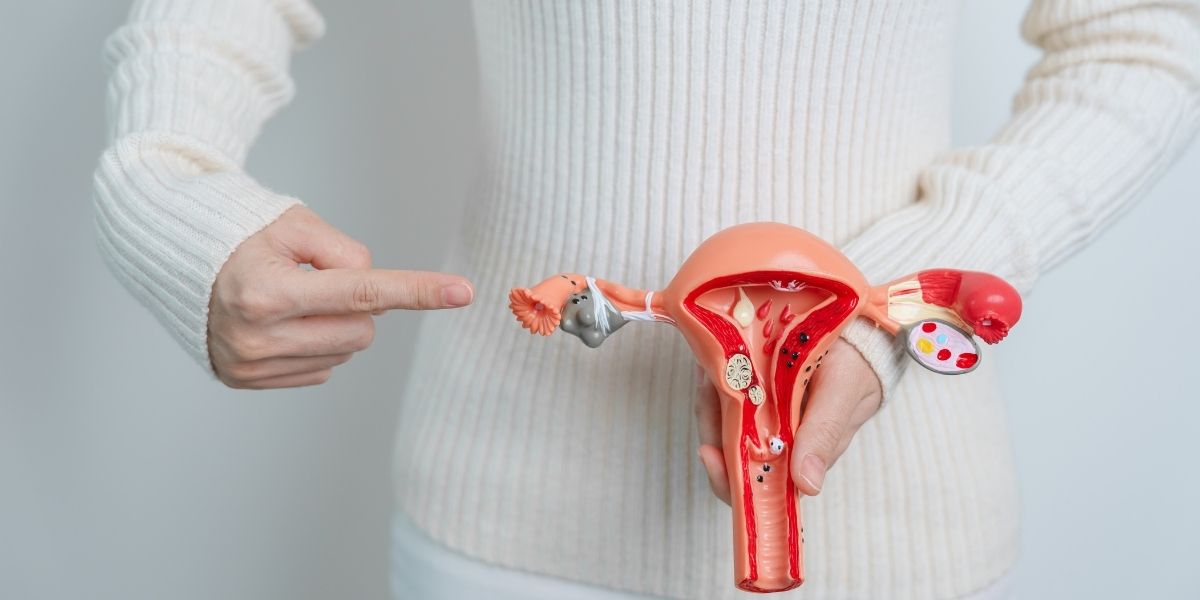
Uterine fibroids are common, but not all women need treatment for them, especially if they’re asymptomatic. But how do you know when it’s time to seek treatment? Here are five signs.
A whopping 80% of women experience uterine fibroids before they turn 50. For many, the fibroids cause little or no discomfort.
But when fibroids interfere with your daily life, your comfort, or your long-term health, take them seriously.
This month, Dr. Nordine Gaugau shares five warning signs that it’s time to seek treatment for your fibroids here at The Fibroid Center at Image Guided Surgery in Clinton, Maryland.
1. You have heavy or prolonged periods that disrupt your life
If your period is so heavy that you soak through pads or tampons every hour, pass large clots, or bleed longer than seven days, fibroids may be to blame.
This level of blood loss isn’t something to push through. Losing more than 80 milliliters during a period can lead to anemia, fatigue, and dizziness, and can make it harder to keep up with work, family life, and activities you enjoy.
2. You have pelvic pain that doesn’t go away
Fibroids can place pressure on your uterus and your surrounding organs. Depending on their location, fibroids can cause a constant feeling of heaviness or discomfort in your pelvis.
Some women describe it as a dull ache; others feel sharp, intense pain, especially during periods or intercourse. Persistent pelvic pressure isn’t normal, and you shouldn’t ignore it.
3. You need frequent bathroom breaks
If you drink a lot of water, it’s normal to have more bathroom breaks. However, if you run to the bathroom more than usual or have trouble emptying your bladder, a fibroid might be the culprit.
Large fibroids can press against your bladder, reduce its capacity, and cause you to use the bathroom more frequently.
4. You feel bloated no matter what you eat
Fibroids can grow large enough to mimic pregnancy, which can make your abdomen look or feel swollen. If your belly appears bigger even though your weight hasn’t changed, or if you feel full easily when eating, fibroids may be contributing to your symptoms.
This abdominal enlargement isn’t just cosmetic; it’s a sign that the fibroids are taking up significant space.
That said, fibroids don’t grow overnight. It can take 4-5 years for a 2-centimeter fibroid to double in size. If you’re worried about bloating, give us a call.
5. You experience fertility issues
Some fibroids interfere with the shape of the uterus or block the fallopian tubes, making it harder to conceive. Other fibroids can increase miscarriage risk or complicate pregnancy.
If you’re struggling to get pregnant or have experienced repeated pregnancy loss, fibroids might be a factor worth evaluating.
Treating your fibroids
You don’t have to live with constant bleeding, pain, or pelvic pressure. At The Fibroid Center at Image Guided Surgery, Dr. Gaugau offers advanced, minimally invasive treatments, including uterine fibroid embolization (UFE), to reduce or eliminate fibroids without major surgery.
UFE targets fibroids at their source and cuts off their blood supply. Dr. Gaugau injects special particles into the blood vessels that feed your fibroids. These particles block blood flow, and when fibroids lose their blood supply, they shrink.
As your fibroids shrink away, you see a reduction in your symptoms without sacrificing your uterus.
If any of these signs sound familiar, it may be time to talk with Dr. Gaugau. To get started, schedule a consultation today.