
5 Encouraging Facts About Fibroid Embolization
Struggling with heavy periods or pelvic pain from fibroids? You may not need surgery to find
relief. In this blog, we share five encouraging facts about fibroid embolization and how our
team can help you feel like yourself again.
Up to 80% of women have fibroids by age 50, but not everyone with a fibroid realizes they have
one. That’s because not all fibroids cause symptoms.
When they do cause symptoms, fibroids can contribute to heavy bleeding, pelvic pressure, and
constant discomfort that zaps your energy and your social life. They can even impact your
overall health with complications such as anemia.
You may have been told that surgery is your only option to get rid of symptoms like these, but
that’s not always the case.
At The Fibroid Center at Image Guided Surgery Center in Clinton, Maryland, Dr. Nordine Gaugau
offers a nonsurgical option, uterine fibroid embolization, to treat fibroids at their source without
major surgery.
If you haven’t considered fibroid embolization, read on to learn five encouraging facts about it.
1. It’s a minimally invasive alternative to surgery
Fibroid embolization (also called uterine artery embolization) doesn’t require large incisions.
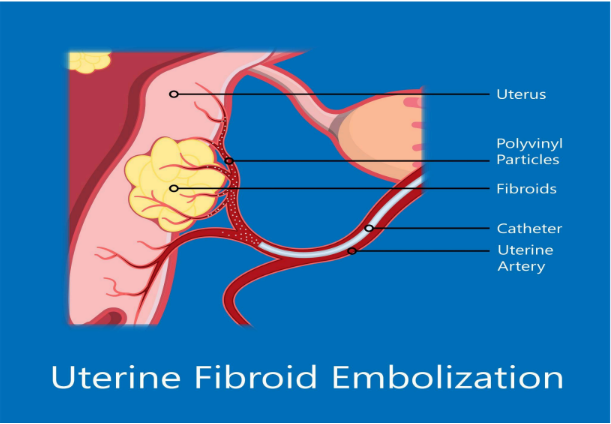
Instead, Dr. Gaugau performs the procedure through a small entry point near your hip. He uses
advanced imaging to guide the catheter to the artery that supplies blood to your fibroid.
No tissue is cut or removed from your body. This approach reduces surgical risks and
minimizes trauma to your body.
2. It targets the source of your symptoms
Rather than removing fibroids surgically, fibroid embolization blocks the blood supply that
feeds them. Without blood flow, the fibroids shrink away over time. When they shrink, you may
notice an improvement in symptoms like heavy bleeding, pelvic pain, and pressure.
3. Fibroid embolization allows you to keep your uterus
A hysterectomy (surgical removal of your uterus) can technically remove fibroids, but it also
means that you can’t get pregnant.
If you want to avoid a hysterectomy, fibroid embolization is an option that preserves your
uterus. One million women choose a fertility-sparing fibroid treatment every year.
4. Recovery is faster than with traditional surgery
Because the procedure is minimally invasive, most women experience a shorter recovery time
compared to traditional surgery. There’s no large incision site to care for and less
post-procedure discomfort. Many women return to normal activities within 1-2 weeks.
5. You get long-lasting relief
Fibroid embolization provides durable symptom relief for many women. That’s because it
doesn’t mask your symptoms; it actually shrinks your fibroids. You may notice lighter periods,
reduced pelvic pressure, and a better quality of life.
What to expect during embolization
During the procedure, Dr. Gaugau uses advanced imaging technology to guide a small catheter
into the arteries that supply your fibroids. He then releases tiny medical-grade particles to
block blood flow to the fibroids, causing them to gradually shrink.
You may receive sedation to keep you comfortable throughout the procedure, so arrange for a
friend or family member to drive you home afterward. Most women can return home the same
day with detailed aftercare instructions.
Is it right for you?
You don’t have to live with the discomfort and disruption of fibroids or jump straight to major
surgery. Dr. Gaugau and his team specialize in image-guided, minimally invasive treatments
that help you feel better with less downtime.
Call 484-FIBROID or schedule a consultation today to learn if fibroid embolization is right for
you.
References:
● Fibroids: More Common than You Think | Center for Women’s Health | OHSU
● Uterine Fibroid Embolization – StatPearls – NCBI Bookshelf