
4 Smart Habits to Boost Your Uterine Health
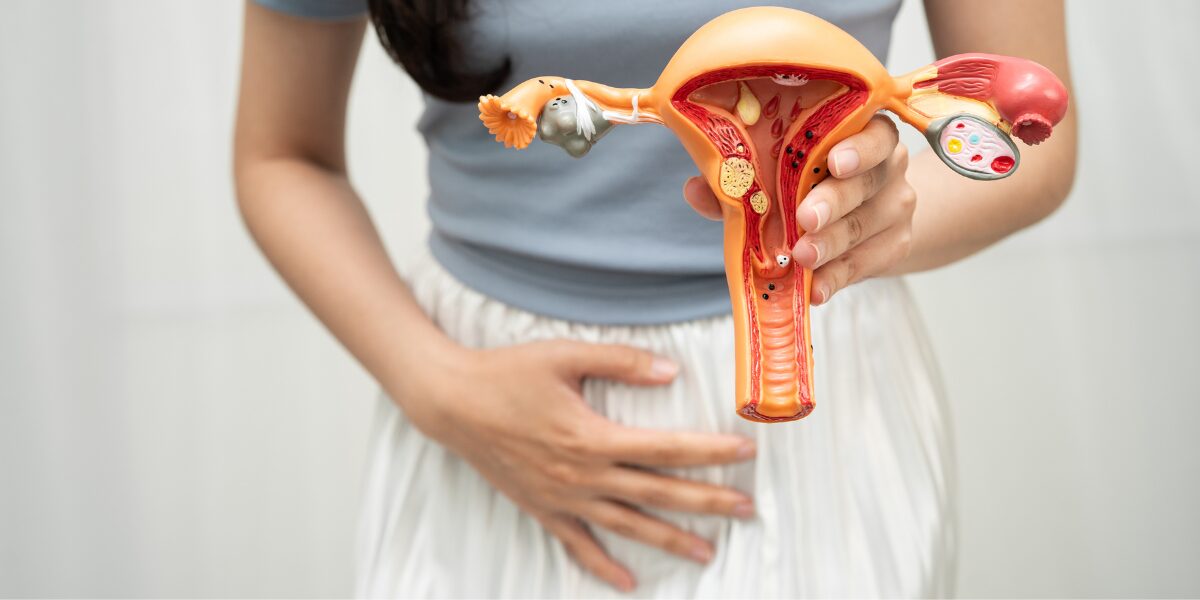
Heavy periods, fibroids, or pelvic pressure? Your daily habits may affect your uterine health more than you think. Read on to learn five smart ways to support your uterus and when to consider treatment options like uterine fibroid embolization (UFE).
Your uterus does a lot! In fact, your uterus has four jobs. It sheds its lining during your period; it’s where your fertilized egg implants; it stretches to accommodate a growing baby; and it contracts during labor to help facilitate birth.
It’s an amazing organ, but many women don’t think much about uterine health until something feels wrong. Heavy bleeding, pelvic pain, bloating, or irregular periods can make you question what’s going on with your uterus. The good news is that everyday habits can support a healthier uterus and may even help lower your risk of certain gynecologic conditions.
Below, Dr. Nordine Gaugau and the The Fibroid Center at Image Guided Surgery Center team in Clinton, Maryland, share five smart habits to boost uterine health.
1. Maintain a healthy weight with these two healthy habits
You probably already know that estrogen affects uterine health, but too much estrogen can contribute to issues like heavy bleeding, irregular cycles, and fibroid growth.
Because body fat can produce and store estrogen, maintaining a healthy weight through regular exercise and balanced meals can help support better hormone balance.
To make it actionable, aim to log 150 minutes of exercise per week and stick to your recommended daily calorie intake. This combination can help you maintain a healthy weight.
2. Eat more anti-inflammatory foods
What you eat can influence systemic (body-wide) inflammation, blood sugar levels, and hormone regulation. All of this affects your uterine health because inflammation and hormone regulation can influence:
● Estrogen levels
● Ovulation
● Menstrual cycles
● Conditions like fibroids
Eating healthier foods for the sake of your uterine health comes down to two factors:
Eat more fruits and vegetables
Build meals around colorful fruits and veggies, 100% whole grains, lean proteins, and omega-3-rich foods like salmon and walnuts.
Eating this way may even help prevent fibroids. In one meta-analysis, women who ate four or more servings of fruits and vegetables per day had a lower risk of developing fibroids. Citrus fruits were especially protective. On the other hand, women who ate less than one serving per day had a higher risk.
Another study referenced in the same analysis found that Chinese women with fibroids reported eating fewer foods such as broccoli, cabbage, Chinese cabbage, tomatoes, and apples.
Ditch processed junk
Cutting back on ultra-processed foods and added sugar can also help support healthier menstrual cycles.
The bottom line: no single food can prevent or treat fibroids, but a nutrient-rich, plant-forward diet may help support healthier inflammation levels and hormone balance.
3. Keep a log of any symptoms in your monthly period tracker
Painful or unusually heavy periods are common, but they aren’t always normal. Symptoms like severe cramping or prolonged bleeding may point to underlying conditions such as:
● Fibroids
● Endometriosis
● Adenomyosis
Even fatigue could be tied back to uterine issues. For example, if you have fibroids and develop anemia from heavy bleeding, you may wind up feeling more tired than usual.
Track all symptoms in a menstrual-tracking or health app. This helps show you the bigger picture.
4. Stay physically active
It’s no secret that regular exercise supports circulation, hormone regulation, and stress management. Not only do these perks of exercise support your entire body, but that means they support your uterus, too.
You don’t have to spend hours in the gym. Regular physical activity, including walking, strength training, or yoga, can support uterine health. Yoga, for example, can even help alleviate some endometriosis pain.
How Dr. Gaugau can help support your uterine health
If heavy bleeding, pelvic pressure, or fibroids are interfering with your daily life, you may have more options than you think. At Image Guided Surgery Center, Dr. Gaugau specializes in uterine fibroid embolization (UFE), a minimally invasive treatment that shrinks fibroids without major surgery or hysterectomy.
UFE blocks blood flow to the fibroids, relieves symptoms, and preserves your uterus. If you’re looking for an alternative to surgery, our team can help you determine whether UFE is right for you.
Call us at 484-FIBROID or schedule a consultation today with Dr. Gaugau to learn more.