
Why Do Uterine Fibroids Form? 5 Common Causes Every Woman Should Know
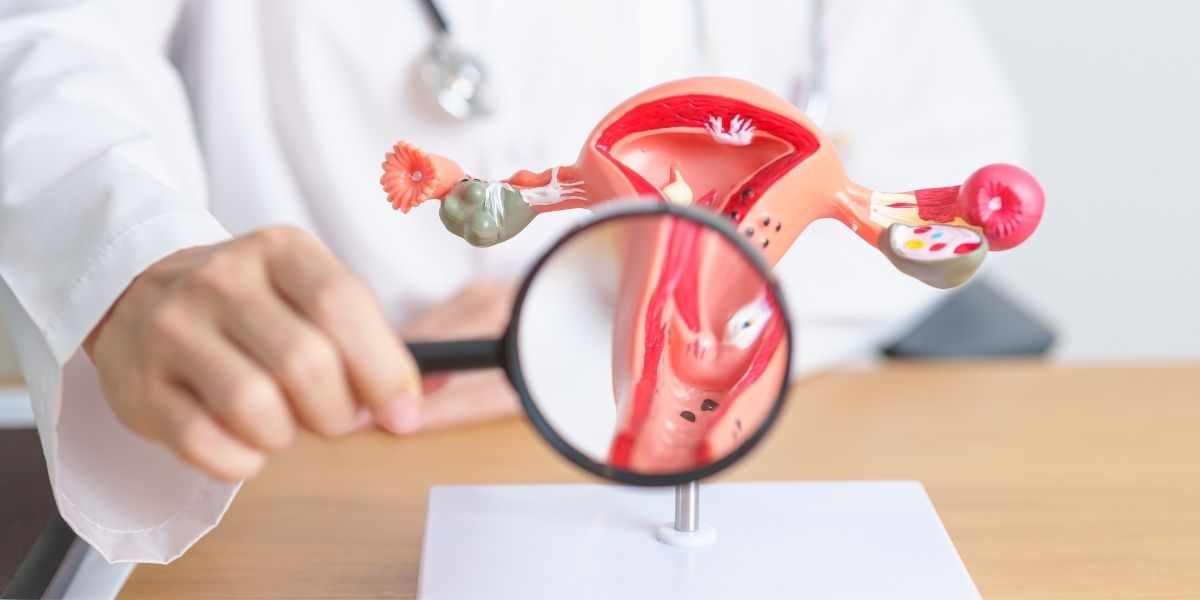
Uterine fibroids are one of the most common noncancerous growths affecting women during their reproductive years. Despite how frequently they occur, many women are left wondering why fibroids develop in the first place and whether anything could have prevented them. Fibroids can vary greatly in size, number, and symptoms. Some women experience heavy menstrual bleeding, pelvic pressure, or fertility challenges, while others may never know they have them at all.
Understanding what contributes to fibroid growth can bring clarity and peace of mind. A single issue does not cause these growths but rather a combination of biological, hormonal, and environmental factors that interact over time. By learning what increases the likelihood of fibroids, women can make more informed decisions about their health and know when to seek medical advice.
For women researching treatment options such as uterine fibroid embolization in Clinton, MD, education is an essential first step. Knowing the underlying causes helps frame meaningful conversations with healthcare providers and supports early intervention when symptoms begin to affect daily life. Awareness empowers women to recognize changes in their bodies and respond with confidence rather than uncertainty.
Hormonal Imbalances and Estrogen Sensitivity
Estrogen and progesterone play a central role in fibroid development. Fibroids tend to grow during the reproductive years when hormone levels are highest and often shrink after menopause. Estrogen stimulates fibroid cells, causing them to grow more rapidly than normal uterine muscle tissue. Progesterone also supports fibroid growth by promoting cell division and tissue expansion. Women with higher lifetime exposure to estrogen, such as early onset of menstruation, may have an increased risk.
Genetic Predisposition and Family History
Genetics strongly influence whether a woman develops fibroids. Women with a mother or sister who has fibroids are significantly more likely to develop them themselves. Researchers have identified specific genetic changes within fibroid tissue that differ from normal uterine muscle cells. These inherited tendencies can affect how uterine cells respond to hormones, increasing the likelihood of fibroid growth over time.
Age and Reproductive Factors
Fibroids most commonly appear between the ages of 30 and 50. As women age within their reproductive years, cumulative hormone exposure increases, raising the likelihood of fibroid formation. Pregnancy history also plays a role. Women who have never given birth may face a higher risk, while those who have had multiple pregnancies often experience a reduced risk due to hormonal shifts during and after pregnancy.
Racial and Ethnic Influences
Race is a well-documented factor in fibroid development. Black women are more likely to develop fibroids, often at a younger age, and may experience more severe symptoms. The reasons are multifactorial and include genetic differences, hormone metabolism, and environmental influences. Understanding these disparities is important for promoting timely screening and appropriate care.
Lifestyle and Environmental Contributors
Diet, weight, and exposure to environmental substances can influence fibroid growth. Diets high in red meat and low in fruits and vegetables have been linked to higher fibroid risk. Excess body fat can increase estrogen production, further encouraging fibroid development. Chronic stress may also disrupt hormonal balance, indirectly contributing to growth patterns. There is also sitting evidence fibroids may be associated with vitamin D deficiency.
Underlying Health Conditions and Inflammation
Certain medical conditions may increase fibroid risk. High blood pressure has been associated with fibroid development, possibly due to its effects on blood vessels and uterine tissue. Chronic inflammation in the body can also create an environment that supports abnormal cell growth. Managing overall health plays a meaningful role in reducing potential risk factors.
Uterine fibroids develop due to a combination of hormonal activity, genetics, age, lifestyle, and overall health. While they are common and noncancerous, their impact on quality of life can be significant. Recognizing the factors that contribute to fibroid growth allows women to better understand their symptoms and seek care early. For those exploring treatment options like uterine fibroid embolization in Clinton, MD, expert guidance can make a meaningful difference in outcomes and peace of mind.
If fibroid symptoms are interfering with daily life, personalized evaluation and compassionate care are essential. The Fibroid Center at Image Guided Surgery offers specialized, minimally invasive treatment options designed to help women find relief and regain control of their health. Scheduling a consultation is a proactive step toward answers, comfort, and confidence in your care decisions.